Small changes.
Lasting momentum.
Strengths-based coaching for autistic, ADHD, and AuDHD individuals, families, and organizations — supporting executive function, career development, workplace readiness, transition planning, life skills, and parent partnership.
Based in Mooresville, North Carolina — serving Lake Norman, Charlotte, Huntersville, Cornelius, and Davidson, clients throughout North Carolina, and virtual clients across the United States.
One conversation can change everything.

Growth begins exactly where you are.

Whether you're preparing for college, navigating work, building executive functioning, or moving forward with more confidence — you don't have to figure it out alone.
NeuroBloom helps autistic and ADHD individuals build practical skills, strengthen self-awareness, and create meaningful progress one step at a time.
Our Approach
How Coaching Works
A collaborative process to help you better understand yourself, build practical skills, and make meaningful progress toward your goals.
Step 1
Discover
Gain clarity about your strengths, challenges, goals, and what matters most.
Step 2
Build
Develop practical strategies and skills that support everyday success.
Step 3
Move Forward
Apply what you've learned with confidence, accountability, and ongoing support.
How We Help
Ways we can help.
I'm preparing for college.
Build confidence, executive functioning, routines, self-advocacy, and transition skills for higher education.
I'm looking for work.
Career exploration, resumes, interviewing, networking, workplace readiness, and job search support.
I want to strengthen executive functioning.
Support with planning, organization, time management, working memory, routines, follow-through, and task initiation.
I'm navigating change.
Coaching for life transitions, decision-making, confidence, independence, and building practical next steps.
I'm supporting someone I love.
Parent and family support for fostering confidence, independence, and meaningful growth.
We're building a more neuroinclusive workplace.
Organizational consulting, manager coaching, workshops, and practical support for neurodivergent talent.
Not sure where to start?
Find your coaching path.
Answer a few quick questions to find the NeuroBloom coaching option that best fits where you are right now.
Meet the Founder
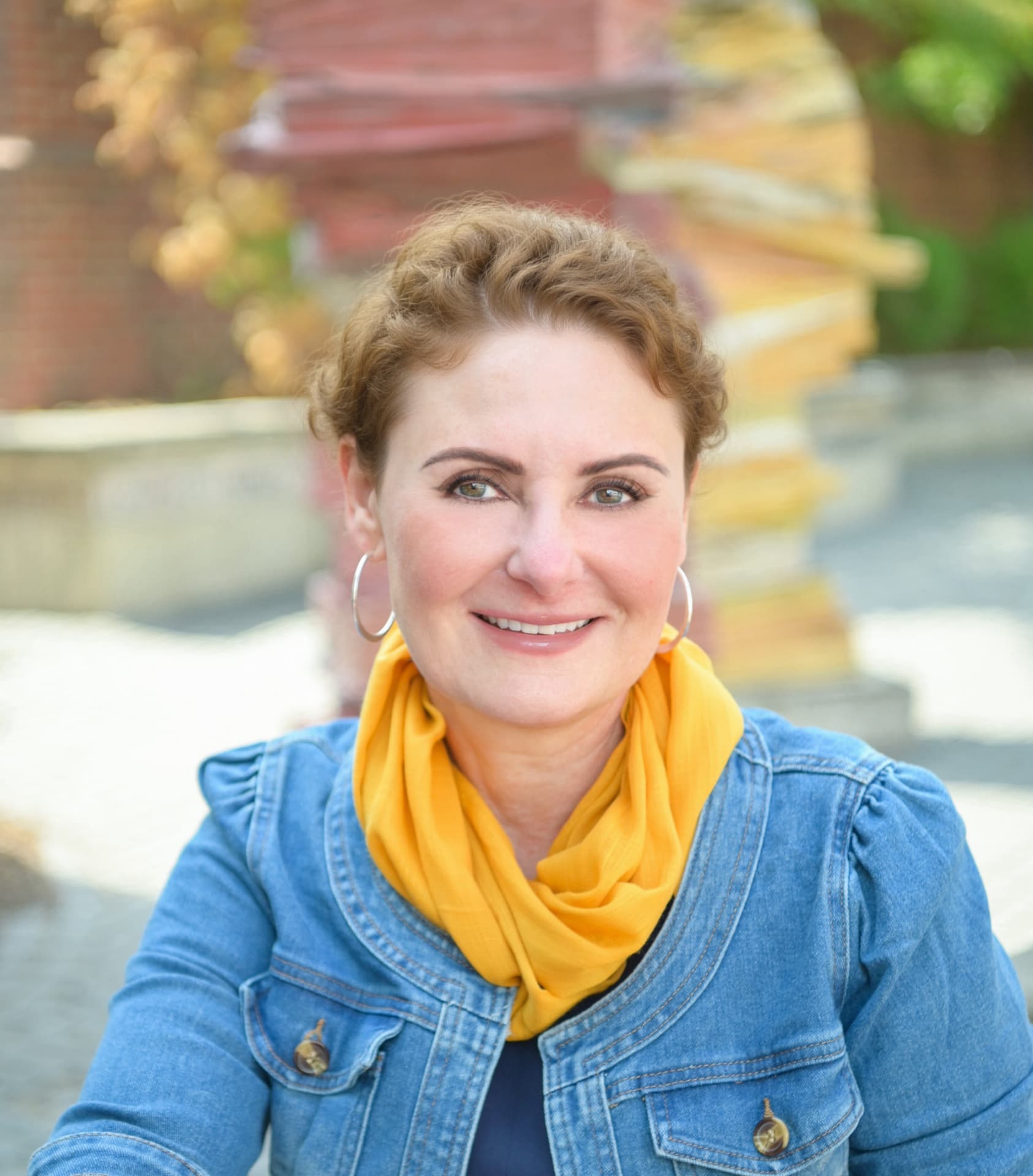
Meet Michela.
Michela founded NeuroBloom to bring warmth, lived experience, and a grounded human development background to coaching.
Her practice blends practical skill building with genuine curiosity — meeting each person where they are, and walking with them toward what comes next.
“My mission is to create the conditions where meaningful growth can flourish.”
Michela
Experience You Can Trust
Experience you can trust.
- 27 years of leadership in HR and Talent Development
- SPHR Certified
- AANE LifeMAP Autism Coach
- CATI ADHD Coach training
- Certified Autism Specialist training
- Neurodiversity-informed, strengths-based approach
Professional expertise combined with practical coaching to help neurodivergent individuals and families move forward with confidence.
Ready to take the next step?
Whether you're exploring support for yourself, your family, or your organization, a Discovery Call is the best place to start.
Schedule a Discovery Call